
Borrow the plant's shield
Imagine a plant standing in a field. It can’t run for shade when the sun gets too intense, and it can’t grab a warm jacket when it gets cold. To survive, plants have evolved a sophisticated internal pharmacy. They produce polyphenols—brilliant, colored molecules that act as a chemical shield against UV radiation, pests, and oxidative stress.
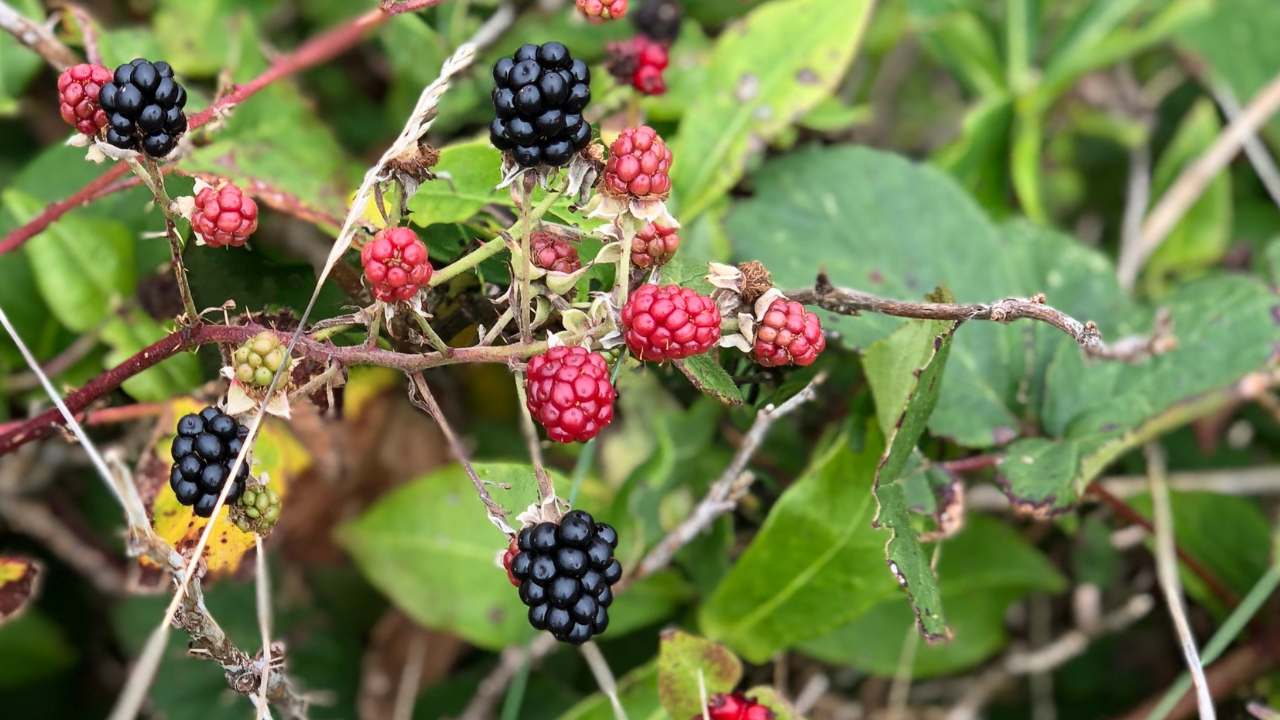
Whenever I’m with my family in the West of Ireland, picking wild blackberries from a tangled mess of brambles (like the ones in the cover photo I took late last summer), I’m instantly reminded of this "biological shield" concept.
The "China Study" connection:
The "aha!" moment? When we eat these plants, we don’t just get to enjoy their delicious flavors; we actually borrow their defense systems!
Back in 2005, when I had only been studying nutrition for about four years, I read a passage in T. Colin Campbell’s The China Study that offered one of the clearest explanations I’d ever read for how the chemistry of a wild Irish blackberry connects directly to our own biology!
Campbell described how plants use sunlight to drive photosynthesis, a process that creates high-energy exchanges and unstable "free radicals." To keep from literally burning up from the inside, plants create polyphenols to intercept these reactive particles before they cause cellular damage (1).
More than two decades later—21 years, to be exact (yikes!)—I still believe it's one of the most helpful ways to think about what is happening inside our bodies when we eat. You can read the
 What exactly are polyphenols?
Polyphenols are naturally occurring compounds found in plant foods. They're part of a massive family of over 8,000 distinct molecules, which is typically organized into four main categories based on their chemical structure:
-
Flavonoids: The largest group, including anthocyanins (the source of that deep blackberry purple), flavonols (quercetin in onions and apples), and isoflavones (soy).
-
Stilbenes: Best known for resveratrol, found in red grapes and peanuts.
-
Lignans: Found in seeds (flax, sesame), legumes, and some cereals.
-
Phenolic acids: Abundant in coffee, tea, and fruits like blueberries and kiwis.
Are polyphenols just antioxidants?
We often use these terms interchangeably, but there is a crucial distinction in how they work:
-
Antioxidants (The cleanup crew): Classic antioxidants like Vitamin C and E act like chemical sponges, neutralizing "sparks" (free radicals) after the fire has already started (2).
-
Polyphenols (The fire prevention system): While many polyphenols can, and do, exhibit antioxidant activity, they primarily act as biological signalers, influencing the body's internal defense systems and gene expression (3).
 Why loading up on color is my metabolic mandate...
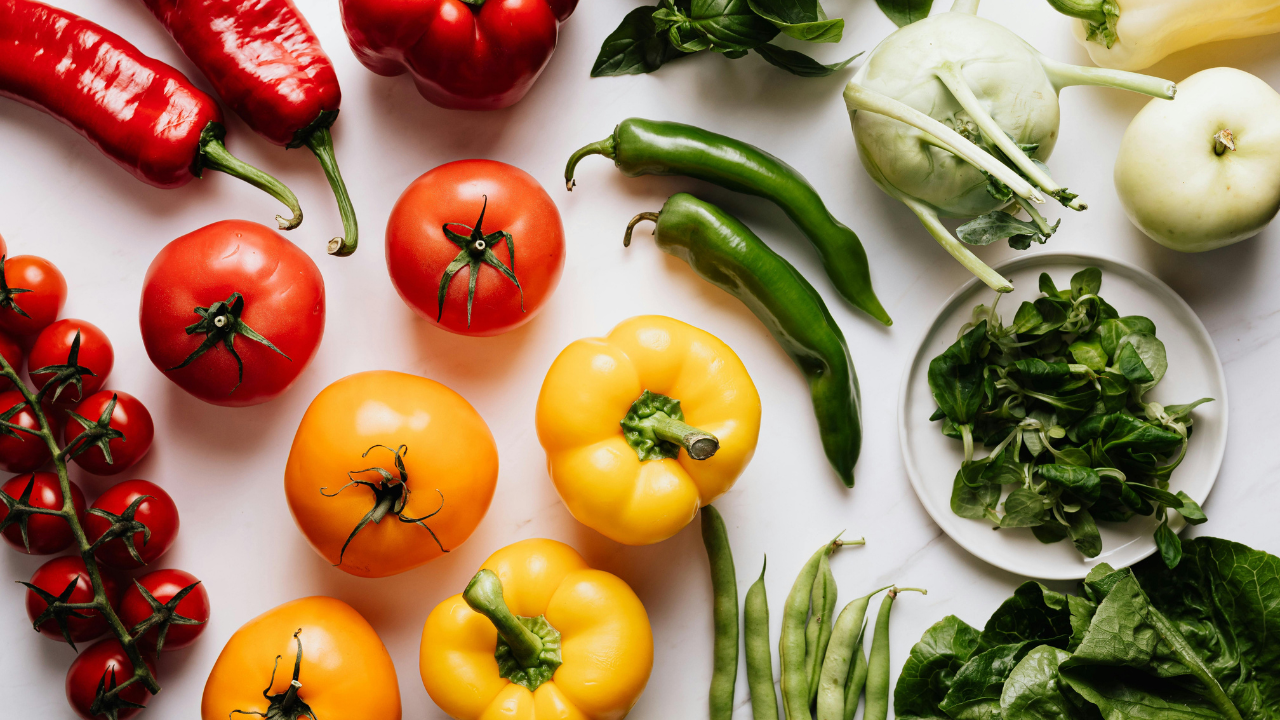
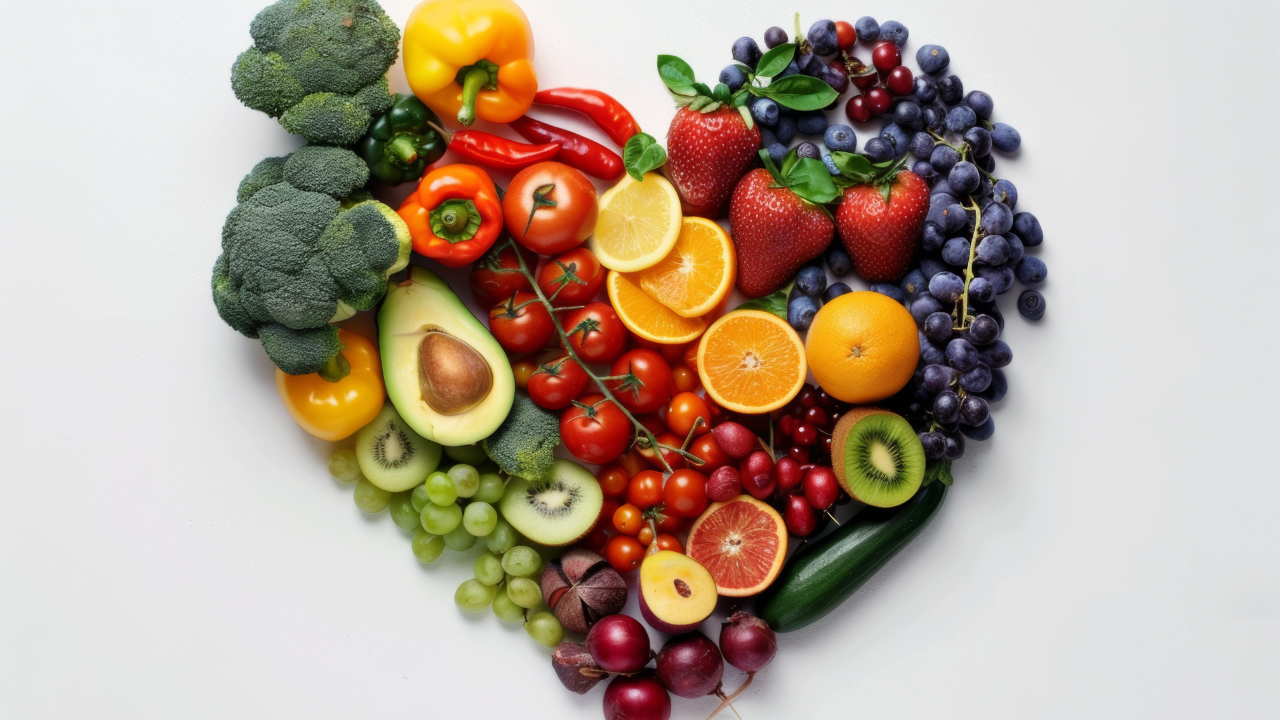
The vibrant colors of the plant world are the polyphenols. One of my top recommendations for anyone looking to optimize their metabolic health is to get into the habit of looking at whatever you're about to eat and asking:
"Where’s the color on my plate?"
A wider variety of colors typically reflects a wider range of polyphenols, ensuring a broader array of compounds are interacting with your biology to support lower cardiovascular risk and improved longevity (4).
 The gut connection: A powerful two-way relationship
A relatively recent discovery in nutrition science is that your gut bacteria are the "gatekeepers" of polyphenol benefits. About 90–95% of polyphenols travel all the way to the large intestine unabsorbed (5).
This initiates a sophisticated two-way relationship:
-
The microbes feed on the polyphenols: Polyphenols act as fuel for "keystone" species like Akkermansia muciniphila. These bacteria help maintain a thick gut lining and prevent "leaky gut," a major root of systemic inflammation (6).
-
The microbes transform the polyphenols: Your gut bacteria act like a biological refinery, breaking down complex polyphenols into smaller "metabolites" (like urolithins) that your body can finally absorb into the bloodstream (7).
Because of this relationship, some probiotic supplements are now including plant-derived polyphenols alongside bacterial strains.
This "synbiotic" approach acknowledges that introducing beneficial microbes works best when you also provide the specific plant compounds they need to flourish.
 How do polyphenols help your heart and immune system
Once your microbiome "unlocks" these compounds, they move to your arteries to act as master regulators:
-
Armor for your cholesterol: Polyphenols bind to LDL particles, preventing the oxidative modification that makes them "sticky" and prone to forming plaque (8).
-
Vascular flexibility: They support the endothelium (your blood vessel lining), which is foundational for healthy blood pressure (4).
-
Immune modulation: Polyphenols "talk" to your immune cells, regulating inflammatory signaling so your immune system stays balanced and avoids chronic "overdrive" (5).
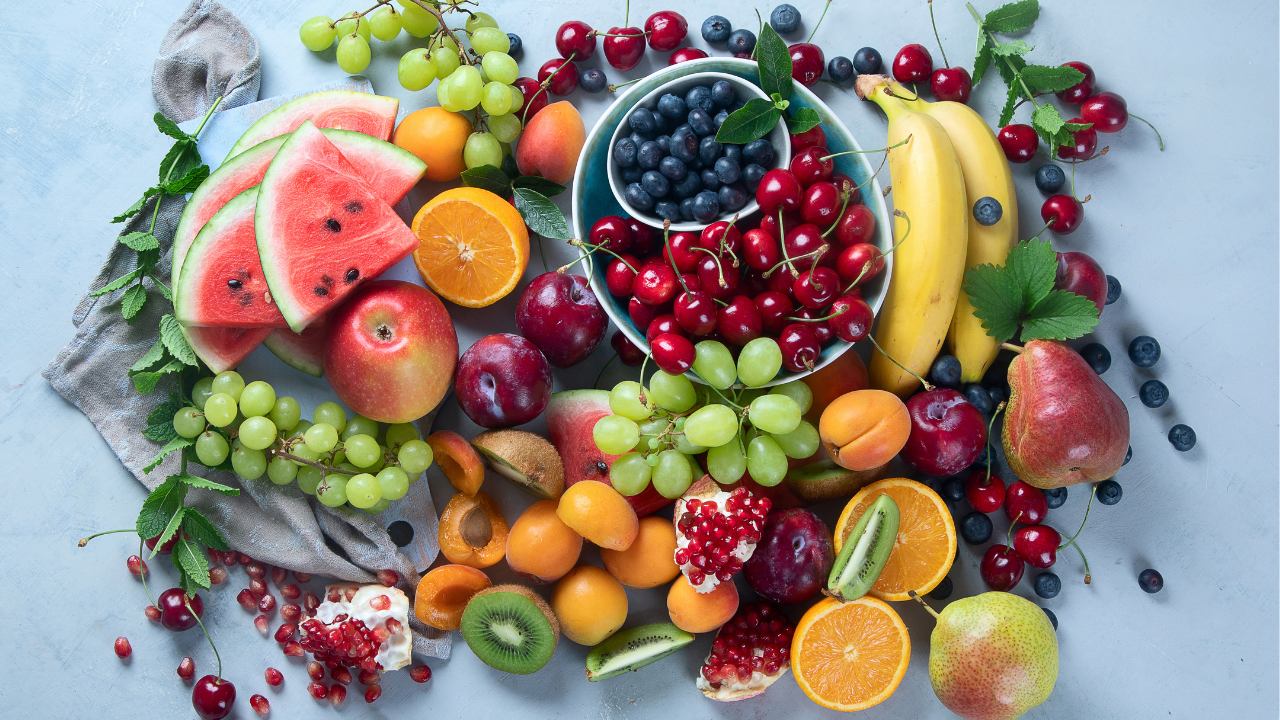 Examples of polyphenol-rich foods to add to your plate:
-
Berries: Blackberries, blueberries, raspberries and strawberries.
-
Spices & Herbs: Cloves, peppermint, star anise, and oregano.
-
Fruits: Pomegranates, plums, apples (with skin), and grapes.
-
Vegetables: Beets, red onions, spinach, and artichokes.
-
Nuts & Seeds: Walnuts, pecans, and flaxseeds.
-
Beverages: Green tea, black tea, and high-quality coffee.
TL;DR & FAQs:
-
What are polyphenols: A family of 8,000+ molecules plants use to survive environmental stress.
-
One of my metabolic mandates = Ask, "Where's the color?" on your plate at every meal to ensure a diverse range of biological protection.
-
Support your gut: 95% of polyphenols are "unlocked" by your gut bacteria; this is why some new probiotics include polyphenols to ensure these microbes thrive.
-
Your benefit: Lower inflammation, flexible arteries, and a resilient immune system.
FAQs:
-
Q: Are polyphenols more effective than Vitamin C?
-
They serve different roles. Vitamin C is a direct scavenger; polyphenols are signalers that tell your body to ramp up its own defense systems.
-
-
Q: Which bacteria do polyphenols specifically support?
-
They are specialized fuel for species like Akkermansia muciniphila, which helps maintain a strong gut barrier.
-
-
Q: Why do some probiotics now include polyphenols?
-
It’s a "synbiotic" approach—providing the beneficial bacteria and the specific plant compounds they need to flourish.
-
References:
-
Campbell, T. C., & Campbell, T. M. (2005). The China Study. BenBella Books.
-
Halliwell, B. (2011). Free radicals and antioxidants: Updating a personal view. Nutrition Reviews, 69(12), 716-723.
-
Forman, H. J., et al. (2014). The hormetic nature of phytochemicals. Free Radical Biology and Medicine, 74, 311-317.
- Wallace, T. C., et al. (2018). Anthocyanins in cardiovascular disease. Advances in Nutrition, 9(1), 1-18.
- Estruch, R., et al. (2018). Primary prevention with a Mediterranean diet. NEJM, 378(25), e34.
- Cardona, F., et al. (2013). Polyphenols and the gut microbiota. The Journal of Nutritional Biochemistry, 24(2), 141-151.
-
Rodriguez-Mateos, A., et al. (2019). Impact of dietary polyphenols on arterial function. Molecular Aspects of Medicine, 61, 43-54.
-
Yahfoufi, N., et al. (2018). Role of dietary polyphenols in cardiovascular diseases. Nutrients, 10(11), 1618.
